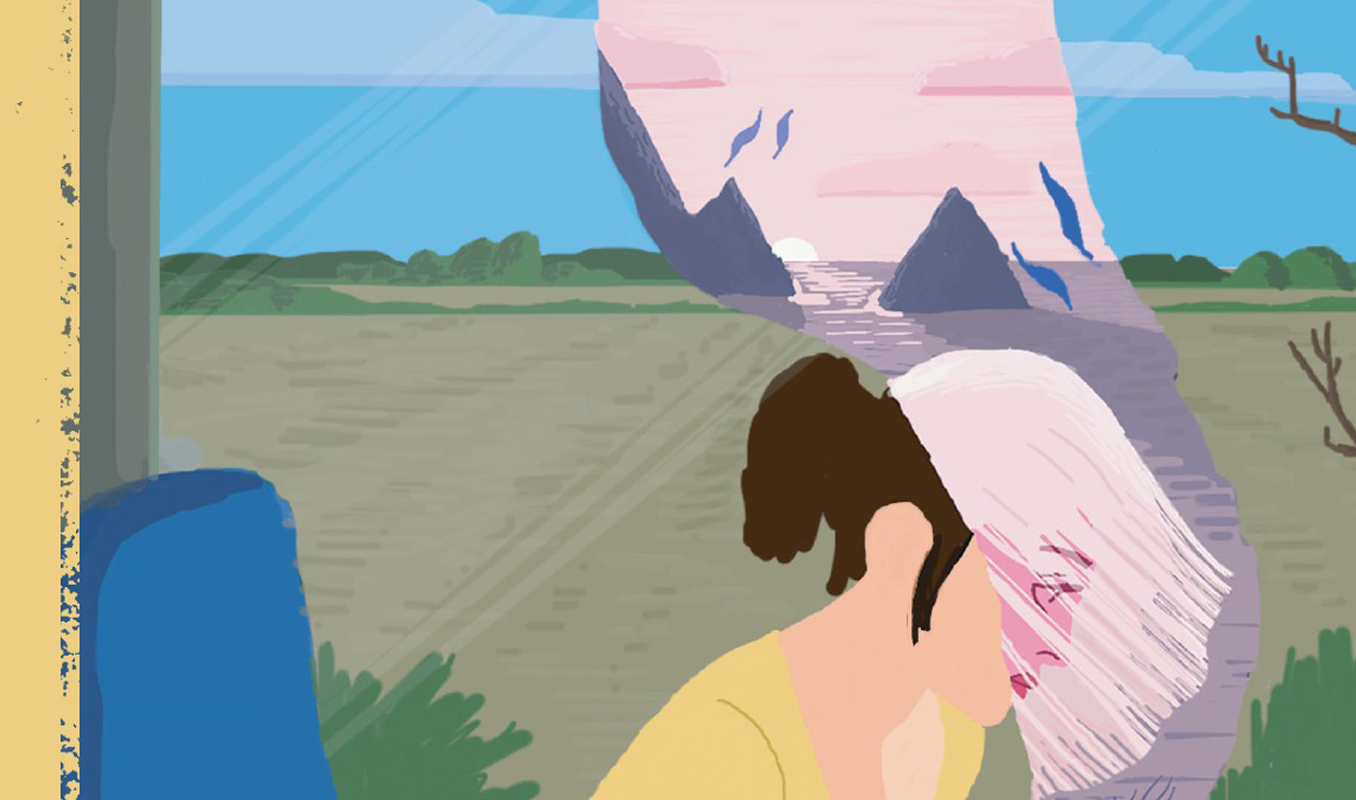
Hinterland is a new, quarterly magazine showcasing the best in creative non-fiction writing. Editor Freya Dean shares some of the books that best (un-)define the nonfiction genre.
When we set out to create Hinterland, we took inspiration from the fact that the best creative nonfiction can be hard to define; it carves out its own space. One of the most exciting things about working on the magazine is the opportunity we have to publish writing that straddles genres and is near impossible to classify. For me, these three books are touchstones of creative non-fiction…
Reality Hunger by David Shields
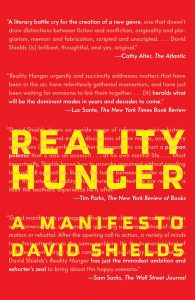
Is this a manifesto? A handbook for creative writing students? An act of wild, unashamed plagiarism? Or a study in genre-cloning?
Whatever you think of it, Shields’ bestseller manages to become the very thing that it claims not to exist: a definitive guide to the possibilities of creative non-fiction.
The Collected Stories of Lydia Davis
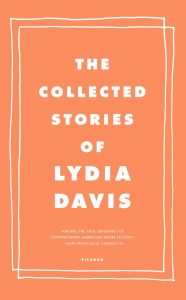 If you haven’t already, please read everything by Lydia Davis. Are the pieces in this collection prose or poetry? Fragments of philosophical essay? Small, perfectly formed works of memoir? Social commentary?
One thing that unites them – from a caterpillar on the stairs to an indignant Samuel Johnson – is that they are all rooted in the realities of life.
The Rings Of Saturn by W.G. Sebald
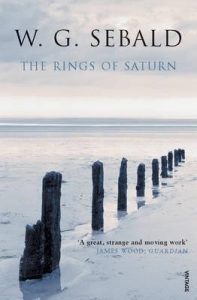
On its publication in 1995, The New York Times declared Sebald’s fourth work to be ‘a hybrid of a book — fiction, travel, biography, myth and memoir — that obliterates time and defies comparison’.
For complete Sebaldian immersion, tie in your reading with a visit to the Sainsbury Centre’s current exhibition W.G.Sebald: Far Away – But From Where?
A Manual For Cleaning Women by Lucia Berlin
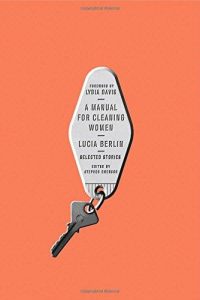 Light years ahead of its time, Berlin’s work is only now (fifteen years after her death) gaining the recognition it deserves.
Start with this collection and read in tandem with Welcome Home, Berlin’s explicitly autobiographical work to illuminate where the joins in her work exist, between memoir and imagination, truth and invention.
Little Labours by Rivka Galchen
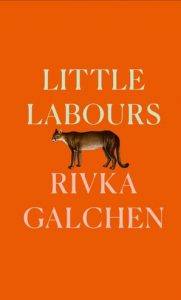 My favourite piece in this gem of a collection begins: ‘In late August a baby was born, or, as it seemed to me, a puma moved into my apartment’.
With the flair of her frequent contributions to The New Yorker, Galchen delivers a kind of fly-by of literature, motherhood and the forty-seven ronin in a slender volume that defies categorisation.
Freya Dean is co-Editor (with Andrew Kenrick) of Hinterland. To subscribe, submit work, or for details of the Hinterland Prize 2019 (open for entries until 2 July) please visit: www.hinterlandnonfiction.com
Photo cred. Andrew Kenrick, Cover art. Joshua Jones, Desgin cred. Tom Hutchings.
You may also like...

5 common scriptwriting mistakes (and how to fix them)
Molly Naylor shares her top tips and techniques

16th March 2022
Five tips for submitting to literary magazines
Make the most of your submissions
16th April 2019

Five top tips for writing historical crime fiction
From Nicola Upson, author of ‘An Expert in Murder’
2nd August 2018